
A four-hour autolyse at room temperature is the longest rest in this ledger and the closest thing to a free upgrade in it. Flour and water alone, no starter, no salt, four hours at 22 °C. The dough comes out of the rest already smooth and extensible: three folds instead of four, no slap-and-fold, and a crumb that is noticeably more open than the same recipe with a 40-minute rest.
What four hours does that forty minutes does not
A 40-minute autolyse hydrates the flour. A four-hour autolyse hydrates the flour and then begins the enzymatic work that normally happens during bulk: proteases relax the gluten, amylases break starch into sugars, and the dough develops a silky, almost elastic feel without any mechanical work. The final loaf has a glossier crumb and a more complex flavour, because there is more sugar available for the crust to brown.
| Ingredient | Weight | Baker's % |
|---|---|---|
| Bread flour | 470 g | 94% |
| Whole wheat | 30 g | 6% |
| Water (all of it, in the autolyse) | 400 g | 80% |
| Starter 1:6:6, 10 h at 23 °C | 75 g | 15% |
| Salt | 10.5 g | 2.1% |
Lower starter, shorter bulk
Because the autolyse has already started the work, the starter drops to 15% and the bulk shortens to 3.5 hours at 25 °C to a 45% rise. Adding the starter after four hours is the strangest part: the dough is already a smooth, cohesive mass, and the starter sits on top like a paste until the first fold works it in.
Three folds, and the risk of over-resting
Past about five hours the autolyse starts to go too far: the gluten becomes so relaxed that the dough will not hold a shape and the crumb turns from open to slack. Four hours at 22 °C is the sweet spot; at 26 °C, cut it to 2.5 hours.
- Crumb rating 5/5: open with a glossy, almost translucent crumb.
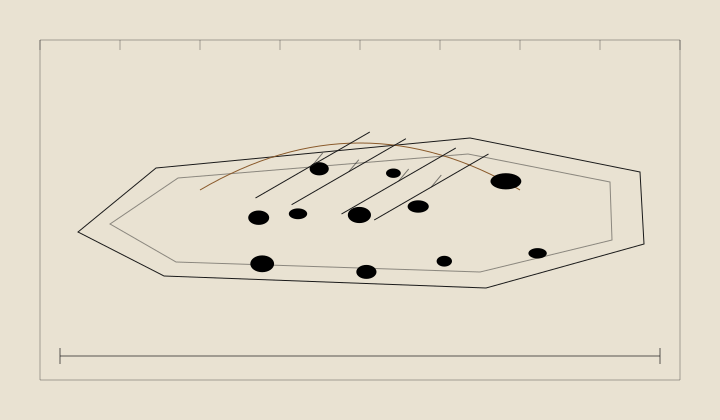
- One 30-degree ear slash plus a small notch, 7 mm deep, cut cold.
- 248 °C, 20 minutes of steam, 45 minutes total.
Salt is not in the autolyse for a reason. Salt tightens the gluten and slows the enzymatic work, which is exactly what the long rest is trying to encourage.
Sources / 参考来源
Published reference works consulted for this log: