
Caraway is the loudest spice in the bread pantry and the easiest to overdo. At 30% rye the dough can carry 1.2% cracked caraway without the spice taking over; at 1.8% it tastes like toothpaste. Crack the seeds in a mortar rather than using them whole — whole caraway releases almost nothing, and ground caraway goes bitter within a day.
Cracking, and when the seeds go in
Crack 12 g of caraway coarsely — most seeds split in two or three pieces, no dust. Add them with the salt at the end of mixing, not at the start: the essential oils are volatile and 4 hours of bulk plus 20 hours of cold retard will strip a good part of the aroma from seeds added early. What survives is the warm, slightly aniseedy note that belongs in rye.
| Ingredient | Weight | Baker's % |
|---|---|---|
| Bread flour | 350 g | 70% |
| Medium rye | 150 g | 30% |
| Water | 380 g | 76% |
| Rye starter 1:5:5 | 125 g | 25% |
| Salt | 10.5 g | 2.1% |
| Cracked caraway | 6 g | 1.2% |
Twenty hours cold is where the rye flavour is built
Three folds, 45 minutes apart, then a 3.5-hour bulk at 24 °C to only 35% rise, then 20 hours at 4 °C. That long cold stage is doing more work than the bulk: the rye sour keeps producing acids at fridge temperature, and the loaf comes out with a sourness that a 12-hour retard simply does not reach. Twenty hours is the longest retard in this ledger and it does not damage the dough, because rye has little gluten to break down.
Scoring a rye blend without dragging
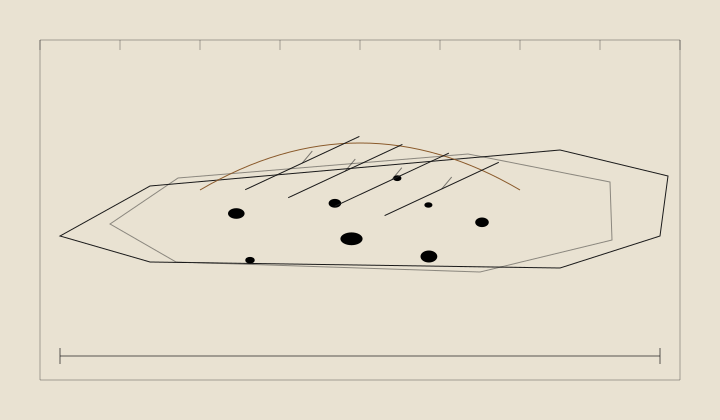
Two long slashes at 25 degrees, 6 mm deep, cut with a fast, light stroke — a slow cut drags the sticky surface and produces a torn, sideways-opening score. If the blade sticks, dip it in water, not flour. 240 °C, 18 minutes of steam, 44 minutes total.
- Crumb rating 4/5 with visible caraway flecks throughout.
- Better on day two; the caraway needs a day to travel through the crumb.
- Excellent with butter and salt, poor with anything sweet.
If you cannot find caraway, fennel seed is the closest substitute but it is sweeter and softer. Do not use cumin, despite the shape of the seed — it tastes of a different kitchen entirely.
Sources / 参考来源
Published reference works consulted for this log: