
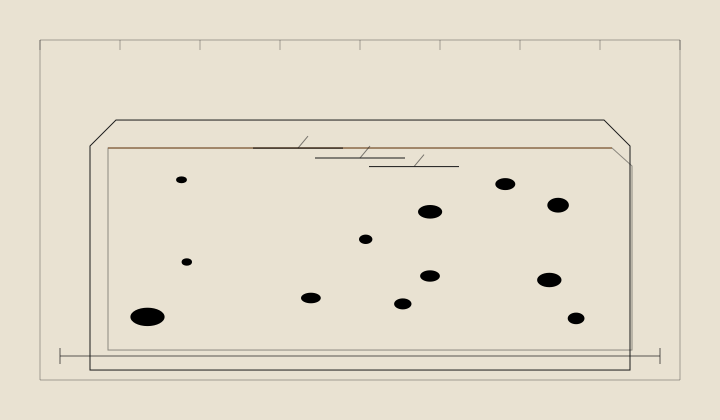
The difference between this focaccia and the skillet discard version in this ledger is the starter: this one is built to peak and used at full strength, so the dough rises 80% in four hours and the crumb is lighter. It is also the only tray bread here that is deliberately baked on the same day it is mixed, with no cold retard at all.
Three pan folds, no bench work
Mixing happens in the tray. Stir the dough together with a spatula, then fold it in the pan: lift one side, fold to the middle, rotate a quarter turn, repeat. Three times, 25 minutes apart. The dough never touches a bench, which means no flour gets worked in and the crumb stays glossy.
| Ingredient | Weight | Baker's % |
|---|---|---|
| Bread flour | 450 g | 90% |
| Whole wheat | 50 g | 10% |
| Water | 400 g | 80% |
| Starter 1:5:5 at peak | 125 g | 25% |
| Salt | 11 g | 2.2% |
| Olive oil, for the tray and the top | 60 g | 12% |
Four hours to an 80% rise
At 25 °C the dough gains 80% of its original volume in four hours. That is a lot for a tray bread, but a focaccia has no shape to hold and no need to spring in the oven — everything comes from the dough being fully risen before it goes in. Dimple it when it has filled the tray and looks jiggly, not before.
Rosemary, salt and a hot tray
Press rosemary sprigs and flaky salt into the dimples just before baking. The tray goes onto a stone that has been preheating 35 minutes at 240 °C, which gives the underside a head start on a home oven that heats from the top. Twenty minutes, no steam. The focaccia is done when the edges are dark gold and the top is bubbling.
- Crumb rating 5/5: airy with a fried, olive-oil-crisp underside.
- Eat within four hours; after that the crust softens noticeably.
- Leftovers split into sandwiches are excellent the next day.
If the dough has not filled the tray by hour four, the starter was not at peak or the kitchen is cold. Move the tray somewhere warm for 30 minutes — do not add more starter.
Sources / 参考来源
Published reference works consulted for this log: