
Khorasan — sold as kamut — behaves unlike any other wheat in this ledger. Its gluten is strong but extremely extensible, so at 50% the dough stays slack and slippery for the first three folds and then tightens all at once in the last hour of bulk. Learning to wait through the slack stage is the entire skill.
A dough that does not tighten on schedule
At 82% hydration with 50% whole khorasan, the first three folds feel like folding a wet cloth. There is no point adding flour, and adding folds does not help either: the dough is not under-developed, it is simply extensible. Between the third and fifth fold it tightens noticeably, and by the end of the 3.5-hour bulk it holds a soft dome.
| Ingredient | Weight | Baker's % |
|---|---|---|
| Bread flour | 250 g | 50% |
| Whole khorasan | 250 g | 50% |
| Water | 410 g | 82% |
| Starter 1:5:5, 7 h at 25 °C | 110 g | 22% |
| Salt | 10 g | 2% |
Five folds, and the last two are the useful ones
Five coil folds at 30-minute intervals. Folds one to three do very little visible work; folds four and five are where the dough actually organises. If you stop at three because the dough feels hopeless, you will get a flat loaf — the structure appears in the last hour, not the first.
A sequential score and a hotter bake
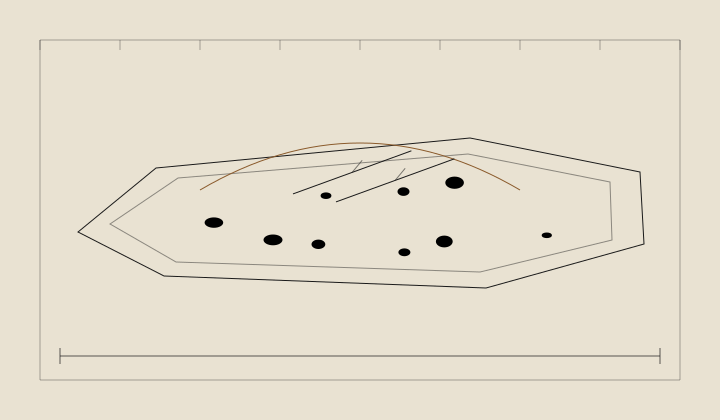
Three cuts at 20 degrees, each starting where the previous one ended, 6 mm deep — a stepped line down the length of the batard. Khorasan browns slowly because its sugars are less available, so the bake runs at 235 °C with 25 minutes of steam and 46 minutes total.
- Crumb rating 4/5: buttery yellow, big soft holes, faintly sweet.
- The aroma is mild; khorasan is the least assertive ancient grain here.
- Keeps three days; excellent toasted.
If you have baked with modern wheat at 82%, you will want to add flour during the khorasan bulk. Do not. The slackness resolves on its own, and flour added at that point shows up as a dense streak in the crumb.
Sources / 参考来源
Published reference works consulted for this log: